An analysis of CES 2026 and how emerging technology is shaping calmer, more reliable digital platforms for modern organisations.
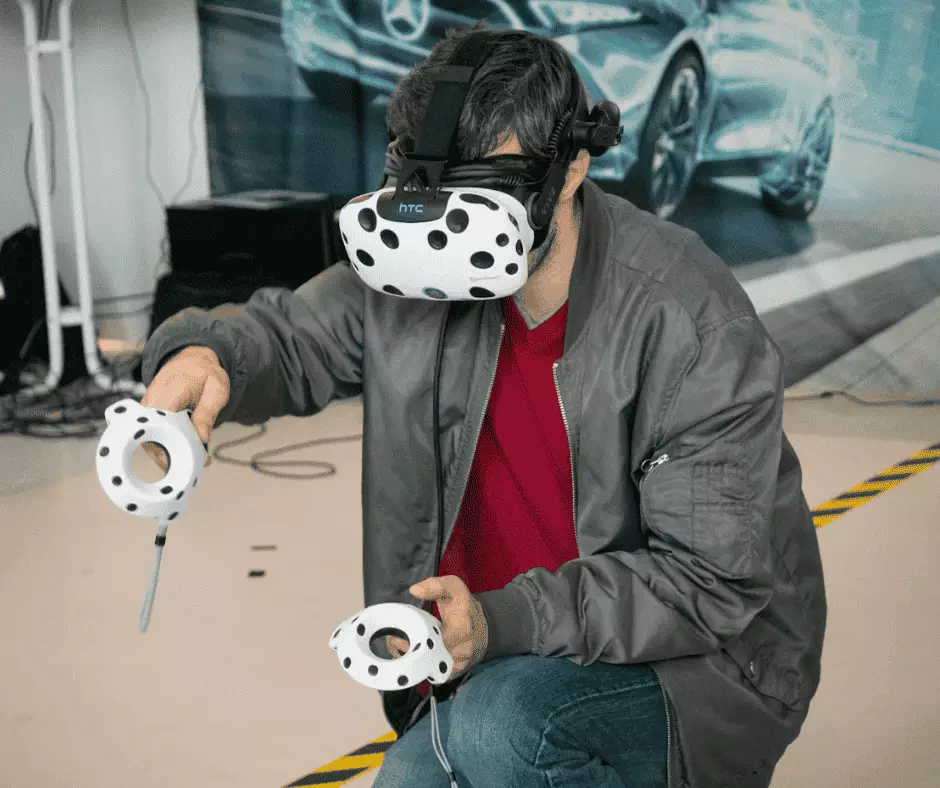
Each January, CES offers a glimpse into the future of technology. Larger displays, faster processors, and increasingly capable devices tend to dominate the conversation. CES 2026 delivered these advancements, presenting artificial intelligence that could assist with household tasks, health technologies capable of detecting early cognitive changes, and computing hardware that continues to advance in both power and efficiency.
Yet the most significant outcome of CES 2026 was not a single product or announcement.
The event marked a broader shift in how technology positions itself within everyday life. Innovation has moved away from seeking attention and towards earning trust. This transition has wide implications, particularly for businesses responsible for designing, deploying, and maintaining digital systems.
Artificial Intelligence Becomes Embedded and Unobtrusive
In previous years, artificial intelligence often appeared as a headline feature. Demonstrations highlighted dramatic capabilities and eye-catching results that captured interest while offering limited real-world application.At CES 2026, artificial intelligence demonstrated greater subtlety in its operations. Systems worked continuously in the background, supporting decision-making, streamlining workflows, and minimising manual intervention. Health monitoring tools analysed long-term patterns. Smart environments are adjusted to user behaviour without constant prompts. Enterprise platforms handled complexity with fewer visible touchpoints.
This evolution signals a maturation of artificial intelligence. Value now lies in reliability, integration, and restraint. For organisations, this places greater emphasis on experience design and system architecture. Tools must support users quietly and consistently rather than compete for attention.
Health Technology Moves Toward Early Detection
Health-related technology featured prominently at CES 2026, particularly solutions focused on early identification of cognitive and behavioural changes. Advances in pattern recognition, sensor technology, and data analysis have enabled systems to detect subtle signals that may indicate future health concerns.This reflects a wider transition in healthcare technology from reactive treatment to early intervention. Continuous monitoring and predictive analysis offer opportunities for improved outcomes and earlier support.
Such developments introduce new responsibilities for organisations managing sensitive information. Data security, ethical use, and transparency become essential considerations. Platforms handling personal health data must be designed with care, ensuring trust remains central to their operation.
Robotics Enters Everyday Environments
Robotic technology has traditionally remained within industrial and manufacturing settings. At CES 2026, robotics expanded into homes, healthcare facilities, hospitality environments, and public spaces.These systems focused on assisting people rather than replacing them. Tasks such as household organisation, patient support, and logistical coordination illustrated how robotics can reduce physical and cognitive strain.
As robots operate in shared human environments, supporting software systems must prioritise reliability, intuitive interaction, and seamless integration. Hardware capability alone is insufficient without intelligent digital frameworks that manage behaviour, safety, and adaptability.
Semiconductor Innovation Shapes Strategic Decisions
Many of the advancements showcased at CES 2026 relied on developments at the chip level. New processors focused on energy efficiency, specialised artificial intelligence workloads, and localised data processing.For users, this resulted in faster devices with extended battery life. For organisations, it influenced system design decisions. Computing workloads increasingly balance cloud infrastructure with edge processing, distributing intelligence across devices rather than centralising it entirely.
This shift requires a deeper understanding of how hardware capabilities intersect with software design, performance planning, and long-term scalability.
Screens Evolve Into Interactive Environments
Display technology at CES 2026 continued to advance in clarity and brightness. However, the greater change involved how screens function within digital experiences.Enhanced interaction methods, such as spatial audio, gesture recognition, and adaptive interfaces, transformed displays into active environments. Screens now support collaboration, learning, and immersive engagement across a wide range of contexts.
As interfaces extend across devices and physical spaces, design priorities shift. Accessibility, consistency, and behavioural understanding become critical. Digital experiences must adapt fluidly to different environments while remaining intuitive and inclusive.
A Measured Approach to Autonomous Systems
Autonomous technology maintained a presence at CES 2026, particularly within the automotive sector. Progress focused on safety enhancements, assisted driving capabilities, and incremental improvements rather than ambitious promises.This approach reflects a broader industry emphasis on caution and responsibility. Trust develops through consistent performance and transparent limitations. Organisations adopting emerging technologies benefit from a similar mindset, prioritising stability and reliability alongside innovation.
The Broader Lesson of CES 2026
Taken together, the developments showcased at CES 2026 reveal a clear direction for the technology sector.Innovation increasingly centres on reducing friction, supporting human decision-making, and integrating smoothly into daily life. Effective technology feels calm, dependable, and thoughtfully designed. Complexity remains present behind the scenes, yet the user experience feels straightforward and manageable.
For businesses, this reshapes expectations. Digital platforms must support growth without introducing unnecessary complexity. Systems must balance intelligence with clarity. Design choices must reflect an understanding of human behaviour as much as technical capability.
Designing Technology That Serves Real Needs
Interactive Partners works with organisations to translate emerging technologies into practical, resilient digital platforms. Our focus lies in building systems that integrate effectively, scale with confidence, and support people through clear and considered design.Whether addressing internal process complexity, secure customer experiences, or intelligent automation, our approach prioritises usability, stability, and long-term value.
CES 2026 reinforced an important principle. The most effective technology operates with purpose and restraint.
If your organisation is preparing for the next phase of digital growth, Interactive Partners is ready to help design systems that feel dependable, adaptable, and aligned with real-world needs.
Share this post
Subscribe to get exclusive content
Connect with Us
Are you ready to partner with a team committed to turning your business challenges into opportunities? Let’s build something extraordinary together!