Claude Code introduces persistent AI workflows, enabling systems to manage tasks, automate processes, and support scalable digital operations.
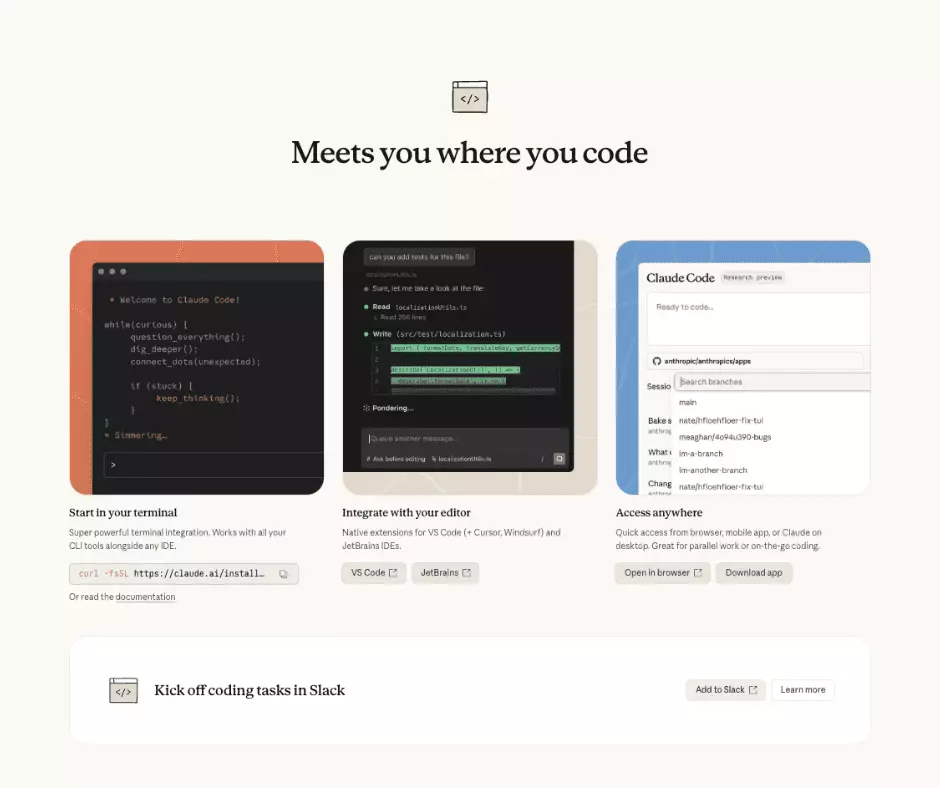
Artificial intelligence is progressing into a stage where interaction is no longer the defining feature. The focus is shifting towards execution. Systems are being designed to carry out tasks independently, maintain continuity, and operate within real working environments. This transition is clearly reflected in Claude Code, which is redefining how developers and businesses engage with AI.
This article examines how Claude Code is shaping autonomous workflows, what capabilities are emerging, and what organisations need to consider as AI becomes embedded in everyday operations.
A Shift from Interaction to Execution
Early AI tools relied on prompts. A user would ask a question, receive an answer, and repeat the process as needed. This model is effective for quick tasks but introduces friction when applied to ongoing work.Claude Code introduces persistence. Tasks can be scheduled, revisited, and executed over time without requiring repeated input. This allows AI to function as a continuous system rather than a reactive tool.
For example, a developer can assign a task such as reviewing a codebase for inconsistencies. Instead of manually prompting the system each time, the task can run at intervals, identify issues, and suggest updates. The process becomes structured and repeatable.
This approach reduces interruptions and allows teams to focus on higher-level decisions while routine processes continue in the background.
Understanding Autonomous Task Management
One of the most significant developments within Claude Code is its ability to manage tasks autonomously. Features such as scheduled execution and automated workflows enable the system to plan and carry out actions across files and environments.This capability extends beyond simple automation. The system can interpret objectives, break them into smaller steps, and execute them with minimal supervision.
Practical applications include maintaining documentation, updating dependencies, and organising project files. These tasks often consume time but require consistency rather than creativity. Automating them improves efficiency while reducing the likelihood of human error.
This marks a transition towards AI systems that contribute to operational stability rather than acting as occasional assistants.
Operating Within Real Environments
A defining feature of Claude Code is its ability to operate within local environments when granted access. This includes interacting with files, notes, and system structures.This capability allows the AI to understand context in a meaningful way. It can analyse how information is organised, identify inefficiencies, and execute changes directly within the working environment.
For businesses, this creates opportunities to streamline workflows. Processes that once required coordination across multiple tools can now be handled within a unified system.
However, this level of access introduces responsibility. Security researchers have identified potential risks, including vulnerabilities that could expose sensitive information through manipulated project files. These findings highlight the importance of implementing strict access controls and monitoring mechanisms.
AI integration must be approached with the same discipline applied to any critical system.
Collaboration Between AI Models
The development of AI is also moving towards collaboration between models. Integrations involving Microsoft Copilot demonstrate how different systems can work together to improve outcomes.In these setups, one model may generate content or perform an initial analysis, while another evaluates, refines, or validates the result. This layered approach introduces a form of quality assurance within the AI workflow.
For organisations, this creates an opportunity to design systems that combine strengths across platforms. Instead of relying on a single tool, businesses can build ecosystems where multiple models contribute to a shared objective.
This approach enhances reliability and supports more complex use cases.
Managing Cost, Performance, and Reliability
As capabilities expand, practical challenges become more visible. Reports surrounding Claude Code highlight issues related to pricing structures, usage limits, and occasional inconsistencies in performance.These challenges are typical of rapidly evolving technologies. They do not reduce the value of the system but require careful management.
Businesses should establish clear guidelines for usage, monitor performance metrics, and plan for scalability. This includes setting boundaries for automated actions and ensuring that systems remain predictable as they grow.
Operational discipline is essential to maintain efficiency while leveraging advanced capabilities.
Implications for Modern Digital Platforms
The rise of autonomous AI systems has direct implications for how digital platforms are designed and maintained. Websites and applications are evolving into environments that support continuous interaction between humans and machines.To remain effective, platforms must be structured in a way that supports automation. This includes clear data architecture, consistent content organisation, and secure integration points.
AI systems rely on structured information to operate effectively. Poorly organised platforms limit their ability to deliver meaningful outcomes. Well-designed systems, on the other hand, enable AI to enhance performance across multiple areas.
This shift places greater emphasis on thoughtful development and long-term planning.
The Role of Strategic Technology Leadership
As AI becomes integrated into core operations, the need for strategic oversight increases. Decisions around implementation, data management, and system architecture have long-term implications.Without clear leadership, organisations risk creating fragmented systems that fail to deliver value. With the right direction, AI can unify processes, improve efficiency, and support sustainable growth.
Technology leadership ensures that AI initiatives align with business objectives and remain adaptable as the landscape evolves.
How Interactive Partners Supports AI-Ready Development
The transition towards autonomous AI systems requires more than adopting new tools. It requires building platforms that can support continuous operation, structured workflows, and secure integrations.Interactive Partners develops websites and digital systems designed for this environment. This includes creating architectures that support automation, integrating systems to reduce inefficiencies, and ensuring that platforms remain scalable and secure.
By aligning technology with business goals, Interactive Partners helps organisations prepare for a future where AI operates as an active part of everyday workflows rather than a separate layer. Contact us now to learn more!
Share this post
Subscribe to get exclusive content
Connect with Us
Are you ready to partner with a team committed to turning your business challenges into opportunities? Let’s build something extraordinary together!