Oura Ring 5 highlights a shift toward smaller devices, smarter interpretation, and continuous updates, reshaping how users experience technology.
Blog Post
Oura Ring 5 and the Evolution of Invisible Technology: What the World’s Smallest Smart Ring Reveals About the Future of Digital Design
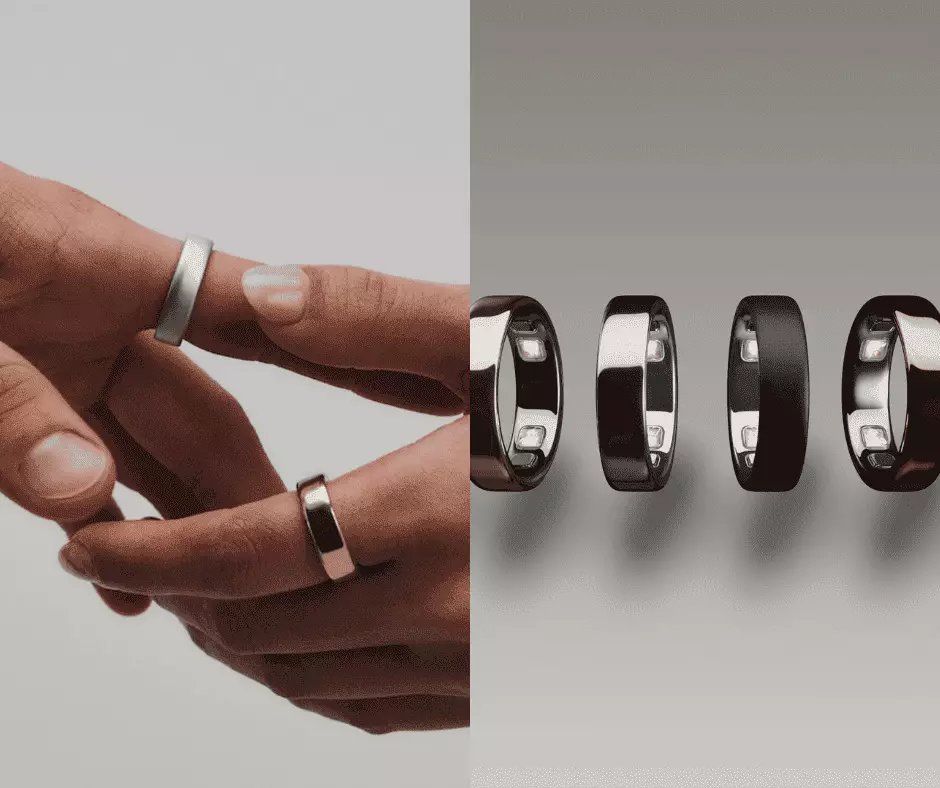
A Smaller Device With a Larger Design Story
The launch of Oura Ring 5 marks a notable moment in wearable technology. At first glance, it is a hardware update defined by scale. The device is around 40 per cent smaller than its predecessor, built from titanium, and designed to sit more naturally on the finger with improved comfort and durability. It also introduces stronger LEDs, redesigned sensors, and a reworked internal architecture that improves data accuracy while reducing size and weight to just a few grams.Battery life remains steady at roughly six to nine days depending on use, while water resistance and scratch protection have also been improved. Alongside the physical redesign, Oura has expanded its software ecosystem with new health insights such as blood pressure signals, nighttime breathing analysis, medication tracking support, and AI-driven health guidance. These features position the ring not simply as a tracker, but as a system for ongoing health interpretation and early awareness.
The significance of this release becomes clearer when it is viewed through a wider lens. The change is not only about a smaller device. It reflects a shift in how technology is being designed, experienced, and ultimately integrated into daily life.
The Shift From Visible Devices to Embedded Intelligence
Technology used to signal progress through visibility. Bigger screens, more buttons, and increasingly complex interfaces suggested advancement. The current direction is almost the opposite. The most influential products are becoming quieter in appearance while becoming more sophisticated in function.Oura Ring 5 reflects this direction clearly. It does not ask users to change behaviour or learn new routines. It fits into existing habits such as sleeping, working, exercising, and even forgetting it is there at all. The design philosophy is based on continuity rather than interruption.
This approach is becoming more common across digital ecosystems. Successful products are no longer defined by how much attention they demand, but by how seamlessly they integrate into everyday life. The less a user has to think about the device, the more effective it tends to be.
Engineering Complexity Hidden Inside Simplicity
Reducing the size of a device like Oura Ring 5 requires more than aesthetic refinement. The internal architecture has been redesigned to fit advanced sensors, improved signal pathways, and a more efficient battery system into a significantly smaller form factor.Reports indicate the use of stronger light emitters, tighter sensor positioning, and improved signal processing that allows more accurate readings across different skin tones and finger types. At the same time, the ring maintains or improves accuracy in metrics such as heart rate, temperature trends, sleep patterns, and activity detection.
This reveals an important principle in modern product design. Simplicity in experience often depends on complexity in engineering. What feels effortless to the user is usually the result of extensive optimisation behind the scenes.
The same principle applies in digital systems used by businesses. A smooth customer journey or a clean interface is rarely simple to build. It is typically supported by layered systems, integrations, automation logic, and continuous refinement.
From Tracking Data to Interpreting Behaviour
Wearable technology initially focused on measurement. Step counts, sleep duration, and calorie estimates defined early user value. Oura Ring 5 represents a movement towards interpretation rather than raw tracking.New features such as blood pressure trend detection, nighttime breathing analysis, and AI-supported health coaching signal a shift in purpose. Instead of presenting isolated data points, the system attempts to connect patterns over time and provide meaningful context.
This reflects a broader trend in digital systems. Data is no longer scarce. Interpretation is the real challenge. Most individuals and organisations already have access to large volumes of information. The difficulty lies in making that information understandable and actionable.
The value of modern systems is increasingly measured by their ability to reduce uncertainty rather than increase data volume.
The Growing Role of Software as the Primary Product
Although Oura Ring 5 introduces hardware improvements, much of its long-term value sits in software. Many new features are designed to work across devices, including earlier generations, reinforcing the idea that the physical product is only one part of a larger ecosystem.Health insights, AI-driven recommendations, and continuous monitoring tools operate through an evolving application layer. This creates a model where improvement is ongoing rather than tied to hardware cycles.
The result is a shift in ownership perception. Customers are not only buying a device. They are entering a service environment that continues to develop after purchase.
This pattern is now visible across multiple industries, from mobile operating systems to enterprise platforms. Hardware becomes the entry point. Software defines the long-term experience.
What Oura Ring 5 Suggests About Modern Product Design
The design direction behind Oura Ring 5 reflects several broader shifts shaping how technology is built and experienced today. These ideas extend well beyond wearables and are increasingly visible across digital products, platforms, and business systems.
Reduction as a Design Principle
One of the clearest directions in modern product design is reduction. This involves removing friction, unnecessary steps, and physical or digital clutter that interrupts the user experience. In practice, it often means doing less on the surface so that more can happen seamlessly in the background. When products feel simpler to use, it is usually because significant complexity has been carefully removed or hidden.
Continuity Through Ongoing Improvement
Another defining shift is continuity. Products are no longer treated as fixed releases that are replaced over time. Instead, they evolve continuously through updates, refinements, and expanding capabilities. This changes how users relate to technology, since value is no longer tied only to the moment of purchase but to how the product improves and adapts over time.
Interpretation Over Raw Information
A third theme is interpretation. Modern systems are increasingly expected to do more than collect or display data. They are designed to translate raw information into patterns, insights, and guidance that help people make decisions. This shift reflects a growing need for clarity in environments where data is abundant but understanding is not always immediate.
A Shift That Extends Beyond Wearables
These principles are not limited to wearable technology. They are influencing how websites are structured, how internal business systems are built, and how digital experiences are designed across industries. The emphasis is moving towards systems that feel simpler on the surface while supporting greater intelligence and capability underneath.
What This Means for Businesses Building Digital Systems
The evolution of products like Oura Ring 5 mirrors a wider expectation in digital experience design. Users increasingly expect systems that feel simple, responsive, and intuitive, even when the underlying infrastructure is highly complex.For organisations, this means success depends on more than functionality. It depends on clarity, integration, and the ability to remove unnecessary friction from everyday workflows.
Customer portals, internal platforms, and business systems are now judged by how naturally they fit into existing processes. If users have to adjust their behaviour to use a system, adoption tends to slow. If the system adapts to the user, adoption becomes more natural.
This is where thoughtful digital architecture plays a defining role. When systems are designed well, complexity disappears from view, and only outcomes remain visible.
Building Technology That Fits Into Real Life
The direction of modern technology is increasingly clear. The most effective systems are those that operate quietly in the background while delivering meaningful insight when needed.At Interactive Partners, we design and develop digital platforms that focus on this principle. Our work in web development, system integration, workflow automation, and customer experience design is centred on removing friction and creating clarity across complex business environments.
The goal is to build technology that feels intuitive to use, while supporting the depth and structure required behind the scenes. Contact us now to book a free consultation!
Share this post
Subscribe to get exclusive content
Connect with Us
Are you ready to partner with a team committed to turning your business challenges into opportunities? Let’s build something extraordinary together!